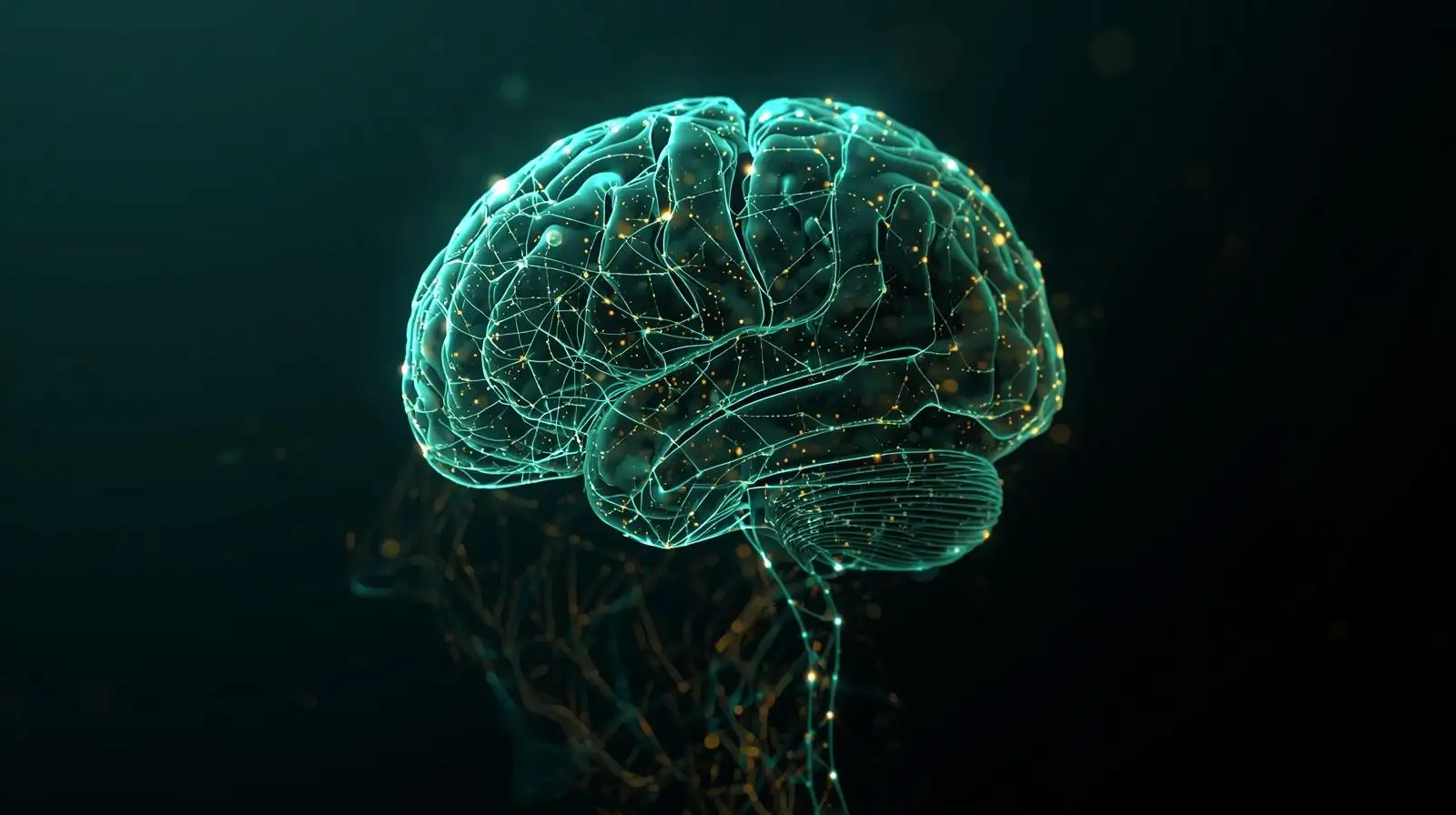
Understanding Artificial Intelligence: Beyond the Buzzwords
Artificial intelligence has fundamentally transformed how we interact with technology, making machines capable of performing tasks that once required human intelligence. From the smartphone in your pocket to the recommendation systems that suggest your next favourite movie, AI technology powers countless aspects of modern life.
At its core, artificial intelligence refers to computer systems designed to simulate human cognitive functions. These systems can learn from experience, recognise patterns, make decisions, and solve complex problems without explicit programming for every scenario. Unlike traditional software that follows rigid instructions, AI systems improve their performance over time by analysing data and adjusting their algorithms accordingly.
The concept of machines that think dates back centuries, but practical AI development began in the mid-twentieth century when computer scientists started exploring whether machines could truly learn. Today, AI encompasses everything from simple rule-based systems to sophisticated neural networks that can process natural language, recognise faces, and even generate creative content.

How AI Works: The Science Behind Intelligent Machines
Artificial intelligence operates through a combination of large datasets, powerful computing resources, and sophisticated algorithms. The process typically begins with data collection, where systems gather vast amounts of information relevant to the task at hand. This data trains machine learning models, allowing them to identify patterns and relationships that humans might never notice.
Consider how your email spam filter works. Rather than programming rules for every possible spam message, developers train AI systems on millions of emails labelled as spam or legitimate. The algorithm learns characteristics common to unwanted messages and applies this knowledge to filter future emails automatically. This approach scales far better than manual rule creation and adapts to new spam tactics over time.
The real magic happens when these systems encounter new situations they weren't explicitly trained for. A well-designed AI can generalise from its training data to handle novel scenarios, much like how humans apply past experience to new challenges. This capacity for generalisation separates true AI from simple automation.

Real-World Applications of Artificial Intelligence
AI technology has penetrated virtually every industry, revolutionising how businesses operate and deliver value to customers. In healthcare, artificial intelligence analyses medical images to detect diseases earlier than human doctors could alone. Radiologists now work alongside AI systems that can identify potential tumours, fractures, and other abnormalities with remarkable accuracy.
The financial sector leverages AI for fraud detection, algorithmic trading, and personalised banking services. Credit card companies use machine learning to identify suspicious transactions in milliseconds, protecting consumers from unauthorised charges. Investment firms employ AI to analyse market trends and execute trades at speeds impossible for human traders.
Transportation has experienced dramatic AI-driven innovation through autonomous vehicles and intelligent traffic management systems. Companies developing self-driving technology interpret sensor data, recognise obstacles, and navigate complex road conditions. These systems process information from cameras, radar, and lidar to make split-second driving decisions that could save lives.
Curious about how AI is creating new business opportunities? Our AI Tools category showcases practical applications you can leverage today.
Browse AI Tools →The Black Box Problem: Understanding Explainable AI
One significant challenge with advanced AI systems involves understanding how they reach their conclusions. When a deep learning model analyses an X-ray and identifies potential cancer, doctors naturally want to understand the reasoning behind that diagnosis. Unfortunately, many AI systems function as black boxes, processing inputs and producing outputs without clear explanations of their internal decision-making processes.
This opacity creates trust issues, particularly in high-stakes applications like healthcare and criminal justice. Explainable AI, often abbreviated as XAI, addresses this concern by developing techniques that make artificial intelligence systems more transparent and interpretable. Researchers have created tools that highlight which input features most influenced a particular decision, helping humans understand and validate AI reasoning.
Explainable AI encompasses three key components: prediction accuracy, which measures how reliably the system produces correct outputs; interpretability, which describes how well humans can understand the model's internal logic; and justifiability, which demonstrates why specific decisions make sense given the input data. Together, these elements help bridge the gap between powerful AI capabilities and human comprehension.
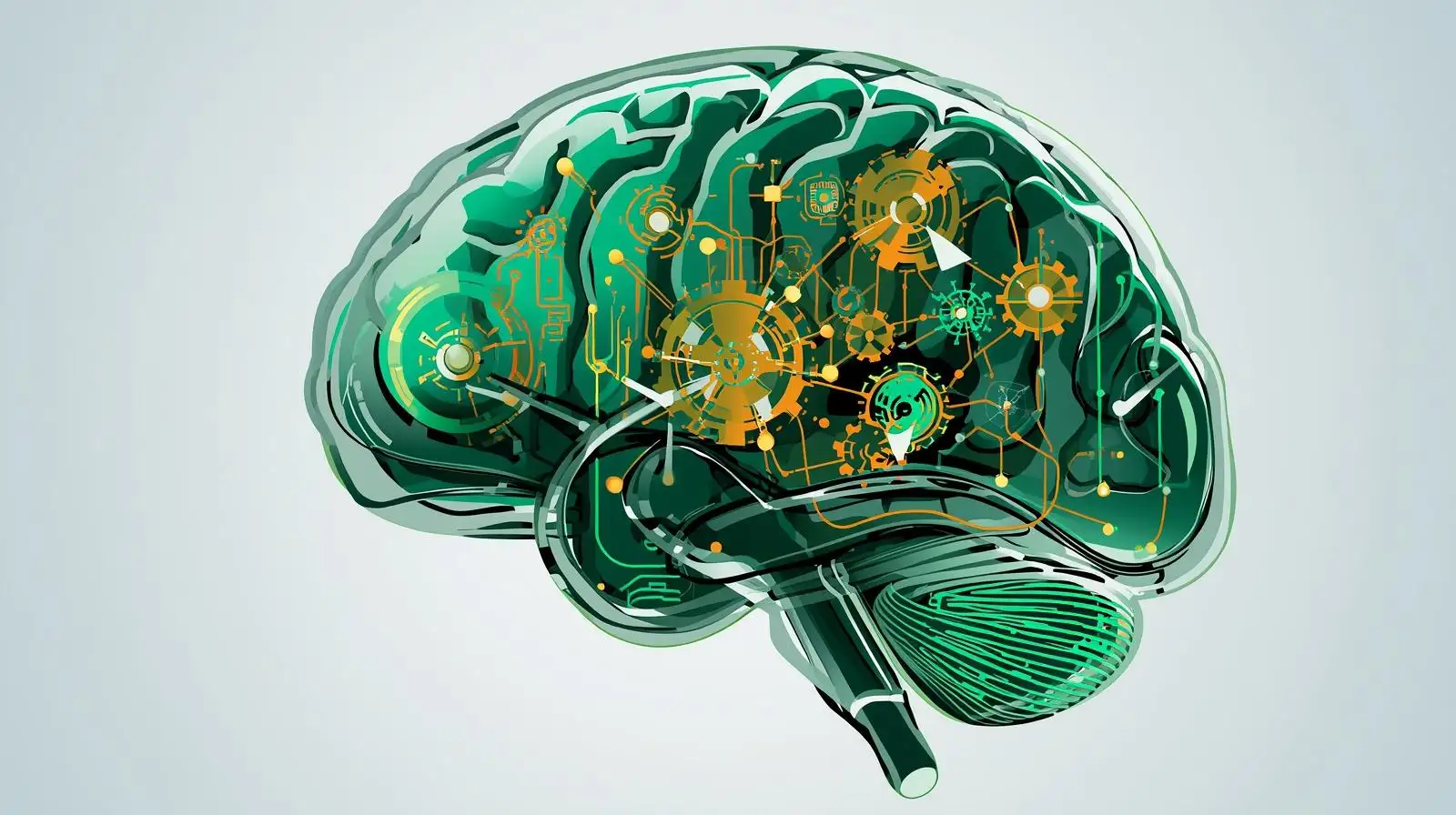
Types of Artificial Intelligence: From Narrow to General
Artificial intelligence exists on a spectrum of capability and generalisation. Narrow AI, also called weak AI, excels at specific tasks but cannot transfer that expertise to different domains. Your voice assistant can answer questions and control smart home devices but cannot suddenly learn to drive a car or diagnose medical conditions without completely different training.
Artificial general intelligence, or AGI, represents the theoretical next step where machines possess human-level cognitive abilities across all intellectual tasks. Such systems would learn new skills as easily as humans, adapt to unfamiliar situations, and apply knowledge across domains. While AGI remains a research goal rather than current reality, progress in deep learning and neural networks continues advancing toward more generalised capabilities.
Understanding where current AI sits on this spectrum helps set realistic expectations. Today's impressive AI applications—from language models to image generators—remain narrow AI, albeit increasingly capable narrow AI. They excel within their trained domains but lack the flexible, general-purpose intelligence that humans possess naturally.
The Future of AI: Opportunities and Considerations
As artificial intelligence continues evolving, its impact on society will only deepen. Emerging applications in drug discovery promise to accelerate pharmaceutical development, potentially bringing life-saving treatments to market faster. Climate scientists employ AI to model complex environmental systems and predict future conditions with greater accuracy. Education technology companies develop personalised learning platforms that adapt to each student's pace and style.
However, this technological revolution raises important questions about privacy, employment, and algorithmic bias. Responsible AI development requires thoughtful consideration of these challenges alongside technical advancement. Organisations increasingly recognise the importance of developing artificial intelligence systems that are not only powerful but also fair, transparent, and aligned with human values.
Understanding artificial intelligence fundamentals positions you to participate meaningfully in these conversations and leverage AI tools effectively in your own work. Whether you're a business leader evaluating AI investments, a student considering career paths, or simply a curious individual wanting to understand the technology shaping our world, grasping these foundational concepts provides essential context for navigating an increasingly AI-driven future.
Ready to explore how AI can benefit your work or business? Take our quiz to discover opportunities matched to your skills and interests.
Find Your Path →Frequently Asked Questions
What is artificial intelligence in simple terms?
Artificial intelligence refers to computer systems designed to simulate human cognitive functions like learning, problem-solving, and decision-making. Unlike traditional software that follows rigid instructions, AI systems improve their performance over time by analysing data and adjusting their algorithms. Think of it as software that can learn from experience rather than just following pre-written rules.
What are the main types of artificial intelligence?
AI exists on a spectrum from Narrow AI (weak AI) that excels at specific tasks like voice assistants and recommendation systems, to Artificial General Intelligence (AGI) which represents theoretical human-level cognitive abilities across all intellectual tasks. Currently, all practical AI applications are narrow AI, though they're becoming increasingly sophisticated within their domains.
How is AI used in everyday life?
AI powers many daily technologies including smartphone voice assistants, email spam filters, streaming service recommendations, navigation apps, social media feeds, online shopping recommendations, and smart home devices. It also drives advances in healthcare diagnostics, financial fraud detection, and transportation systems.
What is explainable AI and why does it matter?
Explainable AI (XAI) refers to techniques that make AI systems more transparent and interpretable, helping humans understand how and why AI makes specific decisions. It matters because many AI systems function as black boxes, which creates trust issues in high-stakes applications like healthcare, finance, and criminal justice where understanding the reasoning is crucial.
Will AI replace human jobs?
AI will transform many jobs rather than simply replacing them wholesale. While some routine tasks will be automated, AI typically augments human capabilities rather than replacing them entirely. New roles are emerging in AI development, oversight, ethics, and applications across industries. The key is adapting skills to work alongside AI rather than compete against it.
Continue Learning About AI
This is just the beginning of your AI journey. Explore our other guides on machine learning, neural networks, and practical AI applications.
📚 Related Reading
💬 Questions or Thoughts?
What aspects of AI are you most curious about? Share your thoughts below.
Join the conversation! Create a free account to leave comments and connect with other learners.